
2025 Energy Market Recap: A Year That Reshaped How New England Buys Power
The 2025 energy market has been one of the most unpredictable and consequential in recent history. Natural gas volatility, shifting utility regulations, and global political tensions created the perfect storm of uncertainty for New England businesses. As we head into the colder months, the effects of these events are still unfolding, and the decisions organizations make today will determine whether they experience stability or significant cost increases this winter.

Market Swing: Henry Hub Breaks Through Historic Price Barriers
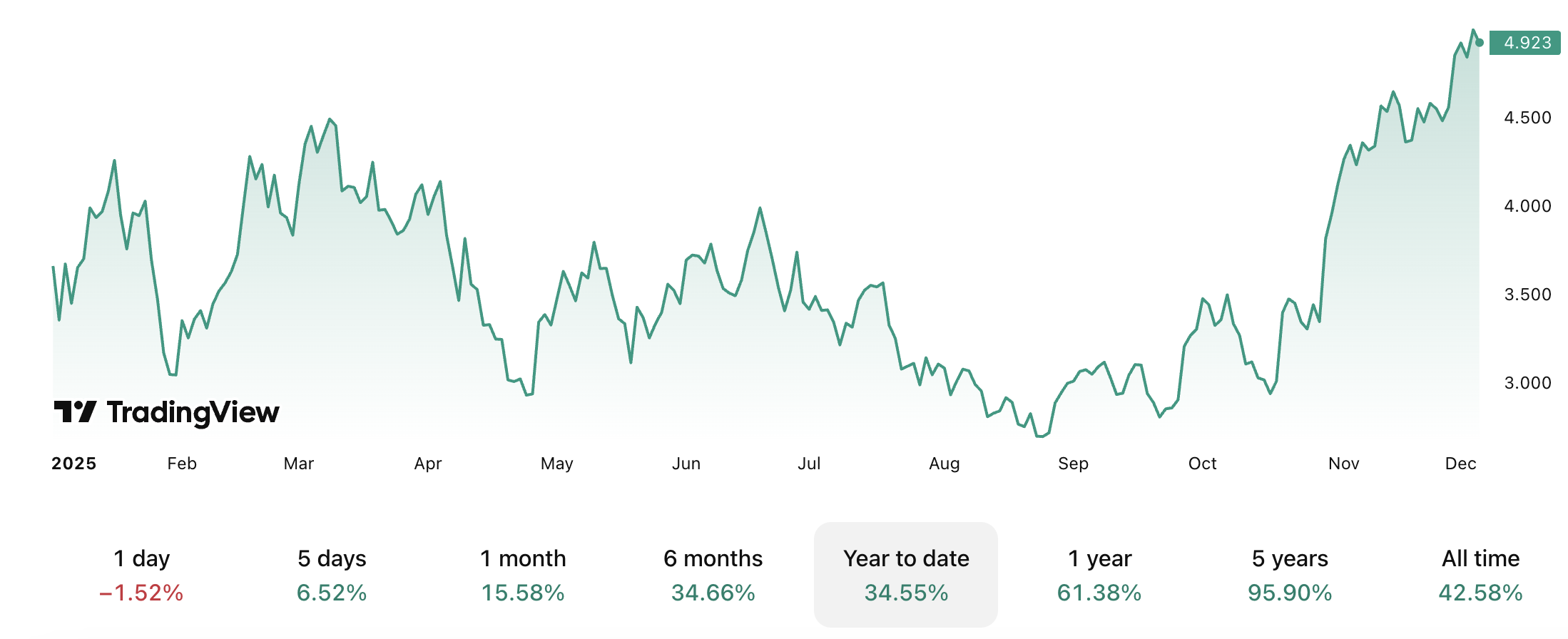
This year, natural gas benchmark pricing at Henry Hub has surged to levels we haven’t seen since 2022 — a clear sign that market conditions have significantly shifted. As of late November 2025, spot gas prices climbed to roughly $4.60–$4.65 per MMBtu.
This rebound represents more than just a seasonal bounce. It reflects a confluence of rising export demand, tightening supply balances, increased LNG flows abroad, and growing heating demand as winter approaches. Those sharp price levels are now setting new benchmarks — and they should be a wake-up call for businesses and utilities managing energy portfolios.
What Shaped 2025 & What It Means for Winter
Last winter — 2024–2025 — was notably colder than the several mild winters before it. That early cold snap and strong heating demand drained inventories, helped reset consumer expectations, and set the stage for rebound pricing as spring and summer demand weakened.
But 2025 was anything but simple. Production remained high, but global LNG demand surged, pulling supply away from the domestic market. Utilities and power generators facing volatile fuel costs passed more of that volatility downstream — which translated into increased retail energy costs, especially in regions with market-exposed default supply or proxy-rate models.
As we move into winter 2025–2026, the key dynamics remain in place: elevated base prices at Henry Hub, strong export demand, and potential cold weather pushing up heating requirements. Taken together, this sets the stage for what could be one of the more expensive winters in recent memory for natural gas and electricity users.
How Neighborhood Energy Stayed Ahead of the Market
Throughout the year, Neighborhood Energy closely monitored these changing conditions to proactively advise our clients. Recognizing the importance of timing and transparency, we invested in smarter tools to keep customers protected.
In 2025, we introduced the Neighborhood Energy Reporting & Analytics (NERA) system — a major upgrade to the way we deliver reporting and insights. NERA provides faster data delivery, improved accuracy, clearer visuals, and a more intuitive interface for tracking savings and consumption. While this enhancement required a brief pause in manual reports during implementation, clients can now rely on dependable automated monthly updates that better support informed decision-making.
What This Year Means Going Forward
If 2025 proved anything, it’s that reactive strategies no longer work in today’s energy market. Prices move faster, weather matters more, and utilities are shifting risks away from themselves and onto commercial customers. To maintain budget stability, businesses must actively manage their supply — not wait for the next bill to determine their exposure.
That’s where strategic procurement and oversight become essential. By locking in competitive rates before demand peaks and continuously evaluating risk, organizations can stay protected even when the market doesn’t cooperate.
Neighborhood Energy: Your Partner for a Smarter 2026
As we close out this eventful year, our mission remains the same: to help New England businesses navigate uncertainty with confidence. Through strong supplier relationships, expert market timing, and detailed reporting from NERA, we ensure our clients are equipped to make the right decision at the right moment — long before volatility shows up on their utility bills.
Whether you want to secure long-term budget certainty, evaluate your current contracts, or simply better understand your options, our team is ready to help.