
Northeast Winter 2026-2027 Forecast: What It Could Mean for Energy Prices
Winter is approaching, and businesses across New England are beginning to look ahead to colder temperatures, increased energy demand, and the potential impact on operating costs. This year’s long-range forecasts point to a mixed winter across the Northeast, with the possibility of colder periods and significant snowfall despite a generally milder outlook across much of the country.
What the Almanacs Are Predicting
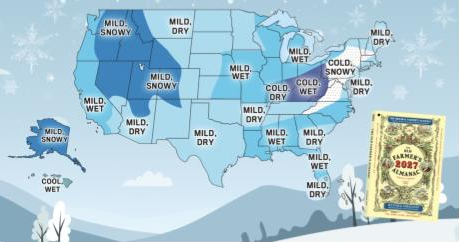
The Old Farmer’s Almanac is forecasting a mostly mild winter nationally, but its outlook for the Northeast is more varied. Parts of New England could experience periods of colder-than-normal temperatures, while snowfall is expected to vary considerably across the region.
The Almanac identifies early and mid-January as potentially colder periods, with additional active winter weather possible later in the season.
The Farmers’ Almanac similarly expects a changeable winter across New England, with temperatures frequently moving around the freezing mark. This could mean a mix of rain, snow, sleet, and freezing rain, particularly during January and February.
While long-range forecasts cannot predict exactly when major storms or cold snaps will occur, they provide an important reminder: even a relatively mild winter can contain periods of extreme cold that put significant pressure on energy markets.
What Does NOAA Predict?
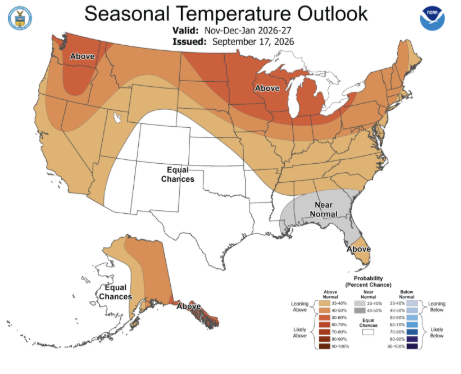
NOAA’s seasonal outlook points to above-normal temperatures across much of the Northeast, along with a wetter-than-normal pattern along the Atlantic Coast into New England.
A major factor behind this outlook is El Niño, a climate pattern that can influence the jet stream and storm tracks across North America. While El Niño often brings warmer conditions to parts of the Northeast, it can also contribute to increased precipitation and periods of active winter weather.
So, while NOAA is leaning warmer overall, short periods of significant cold can still occur—and those cold snaps can quickly increase heating demand and put pressure on New England energy markets.
Why Winter Weather Matters for New England Energy Prices
Weather is one of the biggest drivers of energy demand. When temperatures fall, homes and businesses increase their use of natural gas and heating oil, while electricity demand can also rise.
New England faces an additional challenge: limited natural gas pipeline capacity. During periods of extreme cold, local utilities prioritize natural gas deliveries for heating, which can limit the amount available to natural-gas-fired power plants.
Because natural gas is a major source of electricity generation in New England, tight gas supply can put additional pressure on wholesale electricity prices. During severe cold snaps, the region may also need to rely more heavily on higher-cost fuels such as oil.
This means that a few periods of extreme winter weather can have a much larger impact on energy prices than the seasonal average might suggest.
What This Means for Businesses
Businesses purchasing energy through utility default supply or index-based contracts can be exposed to these market fluctuations. Fixed-rate supply contracts, on the other hand, can provide greater predictability by locking in the energy supply portion of the bill for the agreed contract term.
With winter approaching, businesses with upcoming renewals or accounts still on utility supply should be reviewing their options now.
The fall shoulder season can provide an important window to evaluate pricing before winter demand and potential weather-related volatility become larger factors in the market. Neighborhood Energy has been seeing competitive rates during this period and continues to monitor market conditions daily.
Prepare Before Winter Arrives
There is no single date that guarantees the lowest energy price, and weather forecasts can change. The goal is to understand your exposure and evaluate current market opportunities before winter conditions potentially tighten the market.
At Neighborhood Energy, we act as a virtual energy department, monitoring market conditions, supplier pricing, contract expirations, and changes that could affect your energy costs.
If your energy contract is approaching renewal—or your accounts are still exposed to utility supply—now is a good time to review your options before winter demand takes hold.
Forecasts are probabilistic and may change as winter approaches. Almanac projections should be considered general guidance rather than guarantees of local weather or energy prices.